.png)

B2B Marketing Automation: 7 Workflows to Shorten Your Enterprise Sales Cycle
.png)

.png)

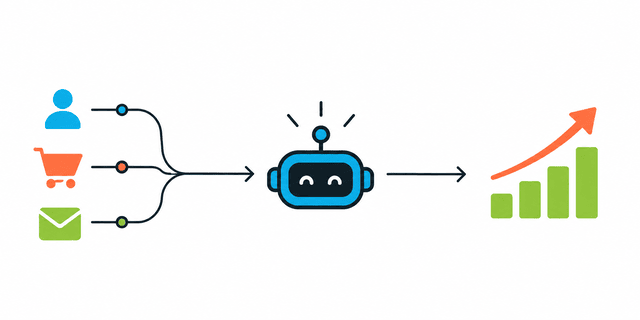
In 2026, B2B marketing automation uses AI and CRM data to run real-time, personalized campaigns based on buyer behavior. It automatically tracks interactions across channels, reduces manual work, and helps sales teams identify and engage high-intent prospects more quickly.
Key Takeaways
- Traditional manual outreach has evolved into a smarter, data-driven approach that uses real-time behavioral signals to improve buyer journeys across channels with greater accuracy and relevance.
- Implementing automated tracks such as two-track onboarding, time-aware response automation, and email link tracking accelerates lead conversion and frees sales teams to focus on tasks requiring human judgment.
- B2B brands must adopt Answer Engine Optimization (AEO) and full schema markup to ensure their content is accurately retrieved and cited by AI answer engines.
- Evaluating marketing success requires tracking AI visibility metrics, brand mention shares, and text citations alongside revenue conversions.
How Traditional B2B Marketing Changed with AI Automation
Traditional B2B marketing has evolved from broad, manual outreach into a smarter, data-driven approach. By using AI-powered automation to track real-time customer behavior, businesses can personalize and improve buyer journeys across multiple channels with greater accuracy and relevance.
One part of this shift is agentic automation: AI-powered software that can monitor engagement signals, make routine decisions, and adjust predefined marketing workflows with limited manual input. Human teams still establish the goals, permissions, business rules, and approval points.
In practice, this technology helps campaigns through:
- Signal-based targeting, which replaces mass broadcasts by evaluating live digital engagement across the buyer journey.
- Continuous learning models, which analyze historical performance data to recommend and refine campaign templates over time.
- Connected workflows, which automatically route high-intent leads to representatives and reduce time-consuming account research.
These capabilities reduce manual delays and help sales teams prioritize qualified, warm opportunities for timely outreach.
7 Marketing Automation Workflows for Enterprise Sales Efficiency
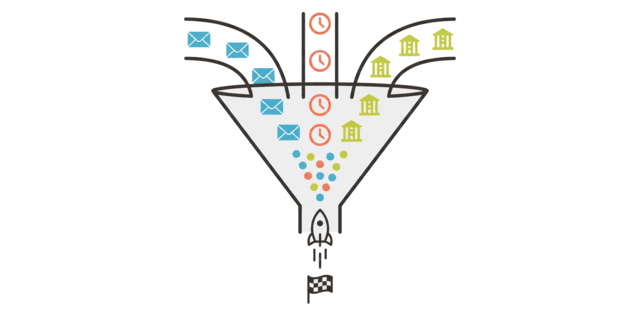
Marketing automation workflows for enterprise efficiency deploy programmatic triggers to filter, route, and engage prospects instantly. By connecting real-time behavioral data to sales outreach systems, these automated plays eliminate manual lag time and accelerate conversion cycles.
1. Segregate Prospect Customers with Predictive Lead Scoring
Predictive lead scoring sorts potential customers by tracking web actions to see how ready they are to buy. When a lead hits a specific score, the software alerts the sales team to follow up immediately.
Automations enable sales teams to spend their time on tasks requiring human judgment and leave repetitive tracking tasks to automated systems. High-intent leads move through pipelines faster and close at higher rates than non-scored accounts.
- Case Study: Motrain
Motrain struggled to manually prioritize trial users. Implementing ActiveCampaign CRM lead scoring, integrated with their product API, and automated user tracking during free trials.
This allowed the team to immediately isolate high-intent prospects, streamlining outreach and boosting trial-to-paid conversions.
2. Guide New Users with Two-Track Onboarding Emails
Two-track onboarding emails guide new users by recording how free account signups use software features. The system splits users into different email paths based on whether they finished the signup steps.
Sending personalized messages based on milestones connects marketing directly with the product user flow. This approach drives application use and helps convert free trials into paid subscriptions.
- Case Study: Sequence
Fragmented manual tracking and limited visibility slowed onboarding progress for Sequence. Connecting Ortto and Segment allowed the product team to create targeted email flows triggered by live software behaviors.
This personalized engagement automated user progression and achieved a significant increase in paid subscriptions.
3. Use Time-Aware 24/7 Response Automation
Website forms can capture contact information from prospects at any hour. Conversational AI platforms such as Qualified, Intercom, or Drift can immediately acknowledge the inquiry, answer basic questions, and assess the prospect’s intent.
When a prospect is within an appropriate local calling window, CRM webhook triggers can route a high-intent inquiry to an AI voice agent or automated interactive voice response (IVR) system. The system can qualify the opportunity, offer available meeting times, or connect the prospect with a representative.
Outside appropriate calling hours, the workflow should not default to an immediate phone call. Instead, it can offer the prospect a choice between SMS, email, or a scheduled callback. This approach is particularly useful for global companies that can route inquiries to teams operating during daytime hours across different time zones.
Time-aware outreach keeps buyer interest active without creating an intrusive experience or damaging brand perception.
- Case Study: Southern Orthodontic Partners
Delayed manual follow-up left Southern Orthodontic Partners struggling to secure fresh web leads across their digital channels. Integrating ActiveCampaign routing workflows fully automated their inbound pipeline.
This instant data capture allowed the system to trigger rapid responses, qualify opportunities, and significantly improve overall conversion efficiency.
4. Revive Dormant Leads with External Growth Signals
Database filters can isolate older sales contacts that have shown no recent engagement. Reverse-ETL pipelines, such as Census or Hightouch, can send selected CRM records into Clay data tables for enrichment with public professional signals, including remote hiring activity, headcount growth, or expansion into new markets.
Reverse ETL refers to the process of moving selected data from a company’s central data warehouse into operational tools such as a CRM or marketing platform. This allows marketing teams to act on updated account information without manually transferring records between systems.
Tracking external growth signals helps marketers identify when a dormant account may be entering a new buying window. Reaching out to relevant decision-makers with a timely solution can help reopen opportunities that previously went cold.
Ensure automated data-enrichment tools use only privacy-compliant, publicly accessible professional data. Data collection, storage, enrichment, and outreach practices should also comply with GDPR, CCPA, and the organization’s internal governance policies.
- Case Study: Oyster
Complex technology-stack silos left Oyster with an under-optimized, manual outbound process. The company deployed Clay data tables to automate data enrichment and track signals such as remote hiring, helping its team identify opportunities to revive dormant accounts.
This optimization saved significant representative hours and generated a valuable new sales pipeline.
5. Integrate a Loop to Nudge Disconnected Buyers
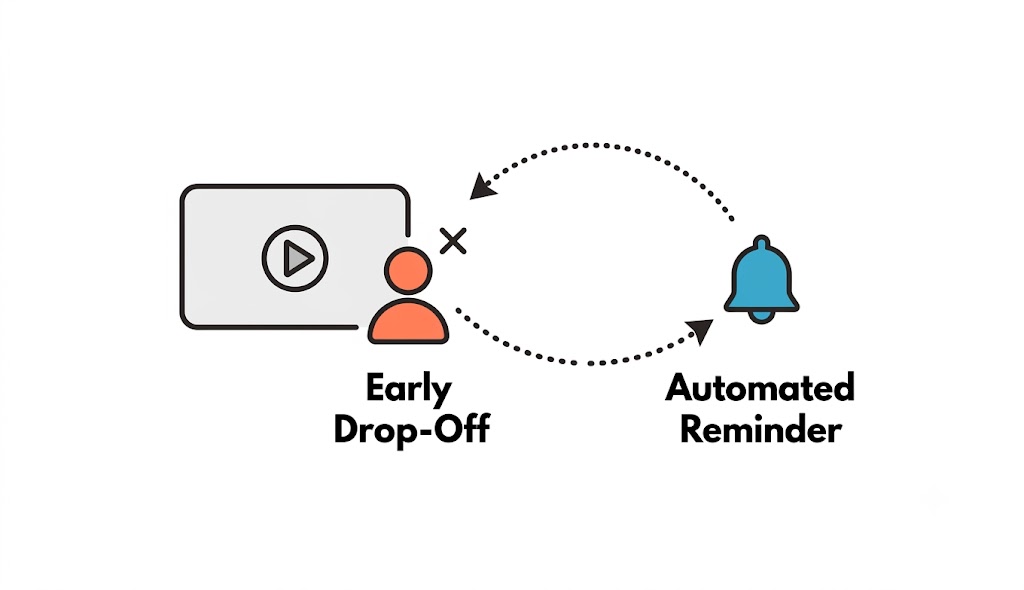
Media tools log a user's viewing status when joining an online presentation or corporate webinar. If a viewer disconnects before finishing the session, the system automatically tags the profile and places them into an automated reminder sequence.
Leaving a webinar early shows that the buyer was distracted or busy. Running an automated reminder track brings these prospects back to finish watching the content, recovering lost lead momentum.
- Case Study: Spark Joy New York
Manual planning left Spark Joy New York struggling to maintain consistent outreach with presentation viewers. Integrating ActiveCampaign with JotForm and Zapier tracked video metrics to loop early drop-offs into automatic reminders.
This loop recovered lost momentum and tripled booked sales calls.
6. Clean and Format Database Files with Automated Enrichment
Clearbit, ZoomInfo, or Apollo.io API integrations can check new form submissions against privacy-compliant professional databases to verify company and contact details automatically.
Reverse-ETL pipelines can then standardize fields and sync updated records across the CRM, data warehouse, and other business applications. Clay data tables can also apply enrichment rules, combine data sources, and prepare records for sales or marketing workflows.
This process keeps information clean and accurate across business systems. Removing manual data entry reduces errors and prevents sales representatives from spending hours researching and formatting account information.
Ensure automated enrichment tools pull strictly from privacy-compliant, publicly accessible professional databases. Configure data retention, deletion, consent, and access controls to comply with GDPR, CCPA, and internal data-governance requirements.
- Case Study: Slate
Manual prospecting could not keep pace with demand, causing data disorganization across Slate’s outreach pipeline. The media company deployed a customized Zapier Agent to pull, reformat, and enrich database files automatically.
This automated process removed data chaos and generated over two thousand qualified leads.
7. Categorize Buyer Interests via Email Link Clicks
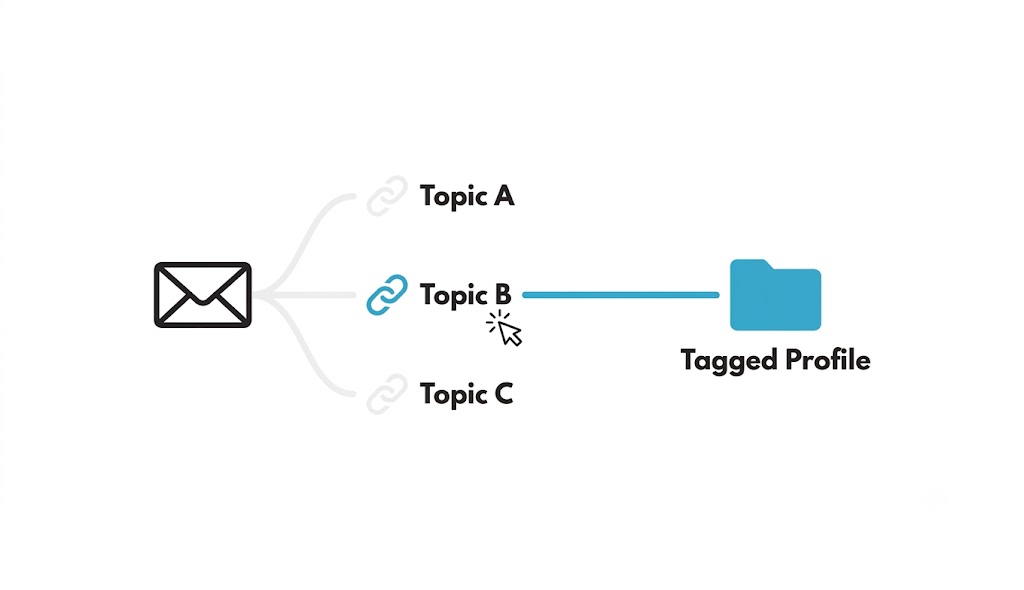
Simple topic links inside marketing broadcasts track exactly what business problems a customer wants to fix. Clicking a choice automatically attaches a specific category tag to that person's file inside the database.
The system instantly changes what the buyer receives next to match their choice. Sorting contacts by their behavior removes friction and increases the number of booked sales calls.
- Case Study: Grez Way
Grez Way struggled with a one-size-fits-all lifecycle approach that caused low engagement. BMO Media implemented Omnisend behavioral segmentation and the Customer Breakdown tool to track active engagement signals.
This structured personalization eliminated untargeted promotions and significantly increased customer interaction and placement rates.
Optimization Strategies for Modern Search Environments
Optimization for modern search environments focuses on establishing strong entity clarity and technical depth to secure visibility across hybrid search layers. Strategies utilize Answer Engine Optimization (AEO) to structure clear layout blocks and robust schema markup to map context contextually for automated retrieval.
- Shifting from simple keyword matching to clear descriptions and in-depth topics keeps content visible across different search platforms.
Example:
A project management SaaS enterprise builds an in-depth topic cluster around "Agile sprint capacity planning guidelines" with descriptive headings rather than filling thin landing pages with generic keywords.
- Answer Engine Optimization (AEO) uses clear layouts and short definitions to help content get quoted directly in AI summaries.
Example:
An enterprise CRM vendor places a clear, standalone Q&A definition block at the very top of an informational article answering "What is predictive lead scoring calculation?" to allow machine answer engines to lift the passage directly.
- Using full schema markup helps search engines understand corporate identity, content authors, and data relationships.
Example:
A cloud cybersecurity firm nests an "FAQPage" schema inside an "Article" schema, utilizing "author" and "Person" properties to explicitly link a verified compliance expert's credentials to the content.
While the exact traffic and click impact of localized AI summaries remains structurally uncertain, B2B brands must protect their pipelines by diversifying beyond organic search into a multi-platform portfolio that includes LinkedIn thought leadership, social engagement, and direct email channels.
To handle this unpredictability, businesses should focus on creating original content with high information gain—such as proprietary data and unique case studies—that forces AI engines to cite the brand as a trusted industry authority.
What to Inspect for Automation Readiness in B2B
Future-proof performance measurement requires moving beyond traditional traffic volume to track visibility across synthesized answer engines. Success is evaluated through brand mention share, passage extraction frequency, and cross-channel dashboards that connect automated marketing actions to revenue conversions.
- Track Text Quotes and Citations Inside AI Summaries
Use search tracking tools to see if AI engines are quoting or paraphrasing specific paragraphs from the website. Monitoring these patterns shows exactly what text blocks the machine models trust the most.
- Brand Mentions and Correct AI Inaccuracies
Determine how often AI engines name the company compared to competitors during user searches. Check if the machine summarizes product descriptions correctly and use feedback options to fix any errors.
- Connect Automated Marketing Campaigns Directly to Sales Metrics
Build cross-channel dashboards that combine traditional search rankings with new AI visibility metrics. Tracking conversions shows which specific automated channels bring in qualified buyers rather than just providing text summaries.
Final Thoughts
To capitalize on modern marketing automation, organizations can implement these actionable next steps:
- Implement Predictive Scoring: Group prospective customers by their web actions to instantly route high-intent leads to sales representatives.
- Clean Database Pipelines: Use Clearbit, ZoomInfo, or Apollo.io integrations with reverse-ETL pipelines such as Census or Hightouch to verify, standardize, and sync corporate data while maintaining privacy compliance.
- Optimize for AI Discovery: Structure informational content with standalone Q&A blocks and schema markup to capture direct citations in AI search summaries.
- Diversify Channels: Expand marketing efforts beyond organic search into direct email, LinkedIn thought leadership, and social engagement to safeguard pipelines.
Frequently Asked Questions (FAQs)
What is agentic automation?
Agentic automation is AI-powered software that monitors live engagement signals, makes routine decisions, and adjusts predefined marketing workflows with limited manual input. Human teams remain responsible for setting goals, permissions, compliance rules, and approval requirements.
How does Answer Engine Optimization (AEO) work?
AEO structures web content into clear layouts and short definitions so machine answer engines can easily lift and quote the text directly in AI summaries.
How is automation readiness measured?
Success is tracked by combining traditional revenue metrics with AI-specific indicators like brand mention share, text quote frequency, and passage extraction.
Read These Next
Marketing Automation Strategy: A Step-by-Step Guide