Marketing Attribution Tools: 15+ Platforms to Track ROI Accurately




Marketing attribution tools in 2026 are software platforms that assign conversion credit across multiple touchpoints using first-party data and AI modeling. For ecommerce, Northbeam and Triple Whale lead; for B2B, HockeyStack and Dreamdata excel. These tools solve signal loss by combining multi-touch tracking with media mix modeling.
Marketing attribution tools are platforms that track and assign credit across multiple touchpoints in the customer journey, helping marketers measure ROI more accurately. In 2026, these tools rely on first-party data, AI-driven modeling, and cross-channel tracking to identify which campaigns and channels drive real revenue.
The best marketing attribution tools today include Northbeam, Rockerbox, Cometly, and Triple Whale for ecommerce, while HockeyStack and Dreamdata are better suited for B2B. Enterprise teams typically rely on Rockerbox or Adobe Analytics for cross-channel attribution.
Introduction
Most dashboards show you performance—but not the full picture.
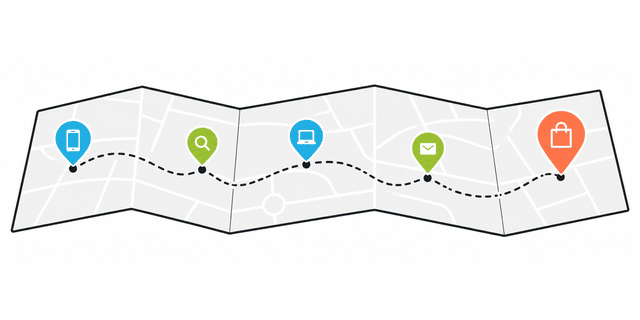
Meta says one thing. Google says another. Your CRM tells a different story. And none of them fully explain how a customer actually moved from awareness to conversion.
Attribution tools exist to close that gap. They don’t just track clicks—they help you understand how channels work together, so you can allocate budget based on what actually drives revenue.
What Are Marketing Attribution Tools?
Marketing attribution tools track how users interact with your brand across multiple channels and assign credit to those interactions based on their contribution to conversions.
In practice, they act as a measurement layer across your marketing stack—connecting:
- ad platforms (Meta, Google, TikTok)
- website behavior
- CRM and revenue data
Most modern tools rely heavily on first-party data because third-party tracking is limited. Instead of perfect tracking, they use a mix of real signals and modeled insights to estimate performance more accurately.
Most attribution tools fall into three approaches:
- Multi-touch attribution (MTA): tracks user-level journeys across channels
- Marketing mix modeling (MMM): uses aggregated data to estimate channel impact
- Blended attribution: combines both for a more realistic view
What Is Blended Attribution?
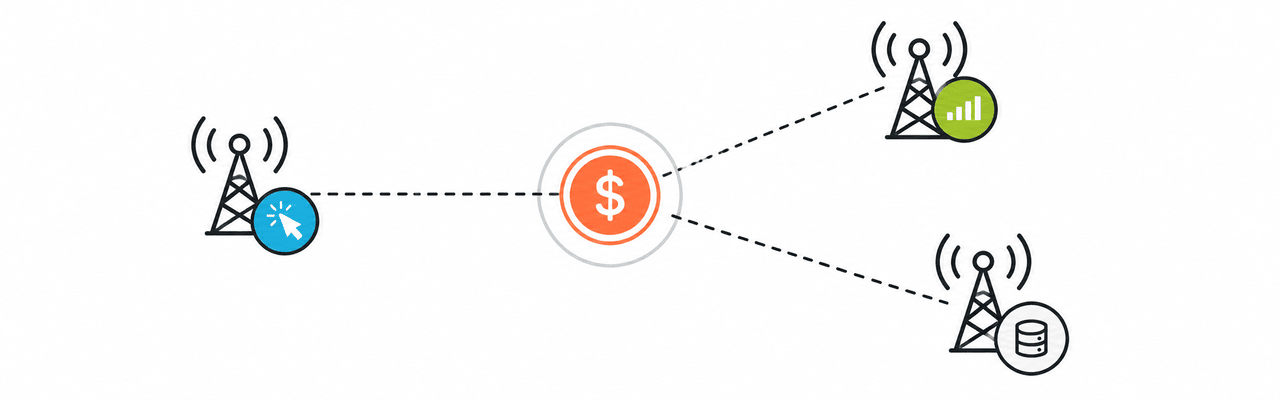
Blended attribution combines multi-touch attribution (user-level tracking) with marketing mix modeling (aggregated data analysis) to provide a more realistic and complete view of performance, especially in environments where tracking is incomplete due to privacy limitations. It is one of the most widely used approaches in 2026 due to increasing signal loss and privacy restrictions.
Quick Comparison of Marketing Attribution Tools
How Were These Tools Selected?
These tools were selected based on their ability to operate effectively in 2026’s privacy-first, AI-driven marketing environment.
Evaluation criteria included:
- ability to track across multiple touchpoints despite signal loss
- strength of first-party data usage and integrations (e.g., Snowflake, BigQuery, Segment)
- support for both user-level and modeled attribution
- compatibility with offline conversion tracking and omnichannel data
- scalability across business sizes and complexity levels
The goal is not to compare features, but to identify which tools provide reliable decision-making signals.
Top Marketing Attribution Tools (Detailed Breakdown)
This is where the real difference between tools shows up. They’re not interchangeable—each one is built for a specific type of business, budget, and level of complexity.
1. Northbeam
Northbeam is a multi-touch attribution platform built for ecommerce brands that want a more accurate view of performance beyond platform-reported ROAS.
How it works
- Uses blended attribution, combining tracked data with modeled data to adjust for signal loss
- Connects performance across Meta, Google, and TikTok into a unified view
- Combines multi-touch attribution with media mix modeling for more complete measurement
Key strengths
- Forecasting engine that predicts how budget changes impact revenue
- More realistic ROAS compared to platform dashboards
- Strong cross-channel visibility for scaling paid media
- Ability to measure both click-based and non-click channels (e.g., awareness campaigns)
Limitations
- Requires consistent spend (~$30k+/month) for reliable insights
- Setup and interpretation can be complex for smaller teams
- Pricing scales with data volume or media spend, which can increase costs quickly
Pricing
- Starter plans begin around $1,000/month for early-stage brands
- Some estimates show entry pricing between $400–$1,000/month depending on data volume
- Advanced plans (Professional / Enterprise) are custom-priced, typically for brands spending $250k–$500k+/month on ads
Best for
- Ecommerce brands with significant ad spend that need accurate cross-channel attribution and forecasting
2. Triple Whale
Triple Whale is a Shopify-focused attribution tool designed to simplify performance tracking for ecommerce brands.
How it works
- Pulls Shopify, ad platform, and customer data into a centralized dashboard
- Uses blended attribution to estimate performance across channels
- Tracks metrics like MER (Marketing Efficiency Ratio) alongside ROAS
Key strengths
- Much easier to use compared to Northbeam
- Strong Shopify-native integration
- Fast setup with real-time performance insights
Limitations
- Less advanced modeling compared to Northbeam
- Limited flexibility for non-ecommerce use cases
- Less reliable for upper-funnel attribution
Pricing
- Starts around $129/month (Growth plan)
- Higher tiers scale based on store revenue and features
- Custom pricing for larger brands
Best for
- Shopify brands that want a simpler, faster alternative to Northbeam
3. Cometly
Cometly is built for performance marketers who want real-time attribution insights without heavy setup.
How it works
- Tracks user journeys using first-party data and pixel tracking
- Connects conversions back to specific ads, campaigns, and funnels
- Provides real-time attribution reporting across channels
Key strengths
- Faster feedback loop than GA4 or delayed attribution tools
- Clear visibility into which ads actually drive conversions
- Easy setup compared to enterprise platforms
Limitations
- Less predictive modeling compared to Northbeam
- Still dependent on tracking signals (affected by privacy changes)
- Not as strong for enterprise-level reporting
Pricing
- Starts around $49/month (Starter)
- Scales up to $199+/month depending on usage and features
- Higher tiers available for agencies and larger teams
Best for
- Small to mid-sized teams focused on paid performance
Best for Ecommerce & DTC Scaling
4. Rockerbox
Rockerbox is designed for brands running campaigns across multiple channels and struggling to reconcile conflicting platform data.
How it works
- Pulls in data from paid media, CRM systems, and analytics tools
- Applies multi-touch attribution models across channels
- Supports both user-level tracking and modeled attribution
Key strengths
- Strong cross-channel attribution (social, search, affiliate, programmatic)
- Helps reduce overreporting from platform dashboards
- Flexible attribution modeling
Limitations
- Requires structured data setup (e.g., UTM standardization, consistent naming conventions, clean CRM records)
- Longer onboarding compared to simpler tools
- Not ideal for small teams
Pricing
- Custom pricing (typically $2,000–$5,000+/month)
- Scales based on data volume and integrations
Best for
- Mid to enterprise brands running multi-channel campaigns
5. HockeyStack
HockeyStack is a B2B attribution platform focused on connecting marketing activity directly to revenue and pipeline.
How it works
- Integrates with CRM systems like HubSpot and Salesforce
- Tracks full buyer journey from first touch to closed deal
- Uses multi-touch attribution tied to pipeline stages
Key strengths
- Strong retail media coverage across 80+ retailers
- Combines attribution with automation and optimization
- Built for large-scale omnichannel commerce strategies
Limitations
- Requires clean CRM data
- Setup can be complex for smaller teams
- Less relevant for ecommerce
Pricing
- Starts around $1,500/month
- Scales based on company size and data volume
Best for
- B2B SaaS companies with long sales cycles
6. Dreamdata
Dreamdata is a B2B attribution platform designed to connect marketing data directly to revenue outcomes.
How it works
- Combines CRM, ad platform, and website data
- Applies multi-touch attribution across the entire funnel
- Focuses on revenue attribution rather than just lead tracking
Key strengths
- Strong revenue attribution capabilities
- Designed for long, multi-touch B2B journeys
- Integrates well with existing marketing and sales tools
Limitations
- Requires mature data infrastructure
- Not ideal for smaller teams or simple funnels
- Less intuitive for non-technical users
Pricing
- Starts around $999/month
- Typical range: $1,000–$2,500+/month depending on scale
Best for
- B2B companies with structured sales pipelines
Best for Beginners & Baseline Tracking
7. Google Analytics 4 (GA4)
GA4 is the default analytics layer for most businesses, but it should be treated as a baseline—not a full attribution solution.
How it works
- Tracks user behavior using event-based tracking
- Uses Google’s data-driven attribution model
- Relies on first-party cookies and modeled data
Key strengths
- Free and widely accessible
- Strong integration with Google Ads
- Useful for on-site behavior and funnel tracking
Limitations
- Weak cross-channel attribution outside Google ecosystem
- Heavily modeled data due to privacy changes
- Requires customization to be useful
Pricing
- Free version available
- GA4 360: typically $50,000+/year
Best for
- Businesses needing a baseline analytics tool
8. Adobe Analytics
Adobe Analytics is an enterprise-level analytics platform built for large-scale, customizable data analysis.
How it works
- Uses server-side tracking and advanced segmentation
- Integrates with Adobe Experience Cloud
- Supports custom attribution models
Key strengths
- Highly customizable reporting
- Strong cross-device and cross-channel tracking
- Handles large datasets effectively
Limitations
- Complex setup and onboarding
- Expensive
- Requires dedicated analytics resources
Pricing
- Custom pricing
- Typically $50,000–$200,000+ per year
Best for
- Enterprise companies with advanced analytics needs
9. Heap
Heap is a product analytics platform that supports attribution by automatically capturing user interactions without manual event tracking.
How it works
- Automatically tracks all user interactions (clicks, pageviews, events) without needing manual setup
- Allows retroactive analysis, meaning you can define events after data is collected
- Uses first-party data to analyze user journeys and conversion paths
Key strengths
- No manual event tracking required (huge time saver vs GA4/Mixpanel)
- Retroactive analysis makes it easier to explore missed insights
- Strong visibility into user behavior leading to conversions
- Faster implementation compared to traditional analytics tools
Limitations
- Not a full attribution tool (focuses more on behavior than channel credit)
- Limited cross-channel ad attribution compared to dedicated platforms
- Can become expensive as data volume increases
Pricing
- Free tier available
- Paid plans typically start around $3,600/year (~$300/month)
- Enterprise pricing scales based on data usage
Best for
- Product-led teams and SaaS companies that want fast, behavior-based insights without heavy setup
10. AppsFlyer
AppsFlyer is a mobile attribution platform used to track app installs and in-app behavior across paid and organic channels.
How it works
- Tracks user acquisition across mobile channels (paid ads, organic installs)
- Uses privacy-compliant frameworks like SKAdNetwork (Apple) and aggregated measurement
- Connects installs and in-app events back to campaigns
Key strengths
- Industry standard for mobile attribution
- Strong privacy-first tracking support (important in iOS environment)
- Works across multiple ad networks and app ecosystems
- Reliable for measuring app install campaigns
Limitations
- Focused on mobile (not a full web attribution solution)
- Requires app-based business model
- Limited usefulness for pure ecommerce or web-first brands
Pricing
- Free tier available (limited features)
- Paid plans scale based on installs and usage
- Enterprise pricing typically $0.05–$0.10 per install or custom contracts
Best for
- Mobile apps and app-based businesses running user acquisition campaigns
Best for Amazon & Marketplace Sellers
11. Amazon Attribution
Amazon Attribution is built to track how external marketing (Meta, Google, TikTok) drives conversions inside Amazon’s ecosystem.
How it works
- Uses Amazon’s first-party shopper data to track user journeys
- Connects off-platform ad clicks to on-Amazon purchases
- Attributes conversions to specific campaigns and channels
Key strengths
- One of the few tools that can directly measure Amazon conversions
- Uses real purchase data instead of modeled estimates
- Critical for understanding how social and search drive marketplace sales
Limitations
- Limited to Amazon ecosystem (no full cross-channel view)
- Doesn’t track non-Amazon revenue
- Attribution visibility is still partially restricted compared to open web tools
Pricing
- Free for Amazon sellers
Best for
- Ecommerce brands driving traffic from paid ads into Amazon
12. Skai
Skai is an enterprise omnichannel platform focused on retail media attribution across Amazon, Walmart, Target, and other marketplaces.
How it works
- Connects retail media, paid search, and paid social into one attribution layer
- Uses retailer + platform data to track cross-channel performance
- Applies AI-driven optimization and measurement across campaigns
Key strengths
- Strong retail media coverage across 80+ retailers
- Combines attribution with automation and optimization
- Built for large-scale omnichannel commerce strategies
- Supports offline conversion signals through retailer data integrations, helping connect ad spend to both online and in-store performance.
Limitations
- Enterprise-only (not accessible for small teams)
- Requires significant data infrastructure
- Complex onboarding and setup
Pricing
- Starts around $114,000/year (Standard tier)
- Can scale to $276k–$756k+/year depending on spend and features
Best for
- Large brands investing heavily in retail media and marketplaces
13. Walmart Connect Attribution
Walmart Connect Attribution tracks how ads drive conversions within Walmart’s ecosystem.
How it works
- Uses Walmart’s first-party shopper data
- Tracks both online and in-store conversions
- Measures how ads influence retail purchases
Key strengths
- Access to high-intent retail shopper data
- Tracks both digital and physical store impact
- Strong for omnichannel retail strategies
- Enables visibility into offline conversions, linking ad exposure to in-store purchases using retailer first-party data.
Limitations
- Limited outside Walmart ecosystem
- Less mature than Amazon’s attribution tools
- Data access can be restricted
Pricing
- Typically bundled within Walmart Connect ad spend
Best for
- Brands investing in Walmart’s retail media network
Best for Paid Ad Optimization & High-Ticket Funnels
14. Madgicx
Madgicx is an AI-driven advertising platform that combines attribution insights with automated campaign optimization.
How it works
- Uses AI models to analyze performance across Meta campaigns
- Tracks attribution data and feeds it into automated optimization
- Combines server-side tracking with platform data
Key strengths
- Combines attribution with execution (not just reporting)
- Strong creative and audience-level insights
- Helps automate scaling decisions using AI
Limitations
- Primarily focused on Meta (limited cross-channel attribution)
- Not a full replacement for multi-channel attribution platforms
Pricing
- Starts around $49/month (Tracking add-on)
- Scales depending on features and ad spend
Best for
- Advertisers heavily focused on Meta who want AI-driven optimization
15. Hyros
Hyros is an attribution tool focused on improving tracking accuracy for paid advertising, especially for complex funnels.
How it works
- Uses server-side tracking and AI modeling
- Tracks users across multiple devices and sessions
- Connects conversions to specific ads, funnels, and touchpoints
Server-side tracking is now a baseline requirement across attribution tools in 2026, as browser-based tracking becomes less reliable due to privacy restrictions.
Key strengths
- Strong tracking accuracy compared to pixel-based tools
- Good for long and multi-step conversion journeys
- Useful for high-ticket funnels and complex sales processes
Limitations
- Focused mainly on paid traffic (less holistic than full attribution platforms)
- Limited broader analytics and reporting
Pricing
- Typically $500–$2,000/month depending on scale
Best for
- Ecommerce and info product businesses running complex paid funnels
16. Wicked Reports
Wicked Reports is an attribution platform focused on long-term customer value and profitability.
How it works
- Tracks first-party data across ads, email, and website activity
- Uses multi-touch attribution models
- Connects marketing performance to lifetime value (LTV)
Key strengths
- Strong focus on LTV, not just initial conversions
- Good visibility into email + paid media performance
- Helps identify high-value customer segments
Limitations
- Requires proper data setup to be effective
- Reporting can feel complex for new users
- Less flexible outside ecommerce
Pricing
- Starts around $597/month
Best for
- Ecommerce brands focused on retention and profitability
Conclusion
Marketing attribution tools don’t give you perfect answers but they give you better ones.
In 2026, where privacy restrictions limit tracking and platforms operate in silos, relying on a single dashboard no longer works. The real advantage comes from combining tools—analytics, attribution platforms, and retail media data—into a system that reflects how customers actually convert.
The best approach isn’t choosing one “best” tool. It’s choosing the right tool for your stage:
- Simpler tools like GA4 or Cometly work for early-stage teams
- Platforms like Northbeam or Triple Whale help ecommerce brands scale
- Tools like HockeyStack and Dreamdata connect marketing to revenue in B2B
- Enterprise teams rely on Rockerbox or Adobe Analytics for full visibility
Attribution today is about direction, not perfection. The goal is to reduce guesswork, allocate budget more confidently, and build a system that improves decision-making over time.
FAQs
What are marketing attribution tools?
Marketing attribution tools track user interactions across channels and assign credit to those interactions based on their contribution to conversions, helping marketers understand what drives revenue.
What is the best marketing attribution tool?
There is no single best tool. Ecommerce brands often use Northbeam or Triple Whale, B2B companies use HockeyStack or Dreamdata, and enterprise teams rely on Rockerbox or Adobe Analytics.
Are marketing attribution tools accurate?
They are directionally accurate, not perfect. Most tools rely on a mix of tracked and modeled data due to privacy limitations and cross-device behavior.
Do small businesses need attribution tools?
Not always. Small teams can start with GA4 and platform data, then adopt tools like Cometly or Triple Whale as their campaigns scale.
Which tools are best for B2B attribution?
HockeyStack and Dreamdata are designed for B2B companies, especially those with longer sales cycles and CRM-based tracking.
Read These Next
B2B Marketing Attribution: A Complete Guide for Modern B2B Teams