.png)

SaaS Growth Hacking: How to Master Product-Led Growth and Reduce Churn
.png)

.png)

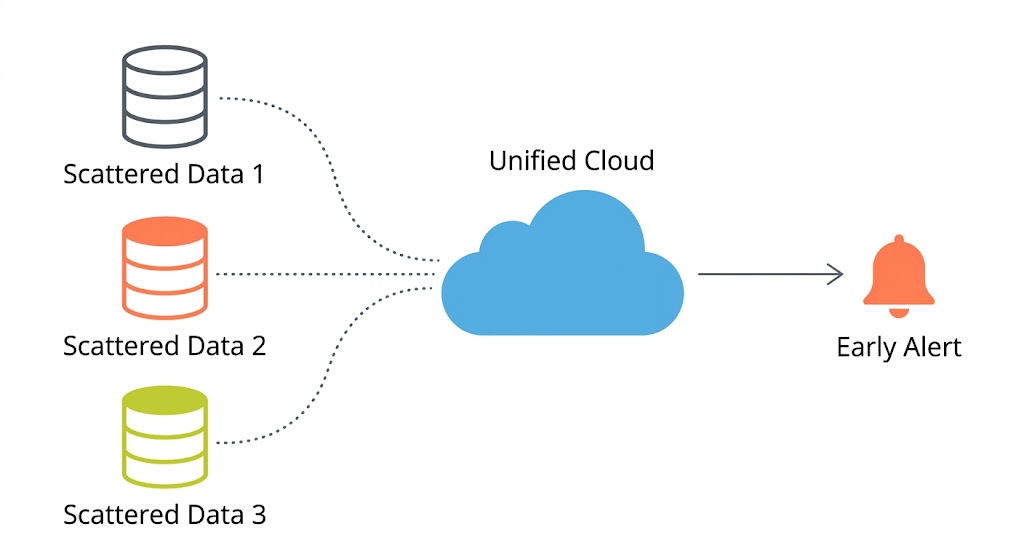
In 2026, SaaS companies can reduce customer churn by consolidating separate databases into a single cloud data platform. This creates a unified view of customer activity and software performance. By tracking user behavior and product usage in real time, businesses can quickly identify potential issues and automatically trigger support or retention campaigns before customers decide to cancel their subscriptions.
Key Takeaways
- Connecting scattered database systems into a single centralized data cloud platform monitors real-time user behavior to detect software errors and trigger proactive retention workflows.
- Implementing continuous-deployment tools allows companies to release updates on demand while reducing deployment risk.
- Using machine learning models to analyze customer conversations helps teams identify recurring system faults and detect churn trends earlier.
- Transitioning to a headless CMS architecture (a content system that separates back-end content storage from front-end page presentation) gives teams greater flexibility in how content is delivered across websites and applications.
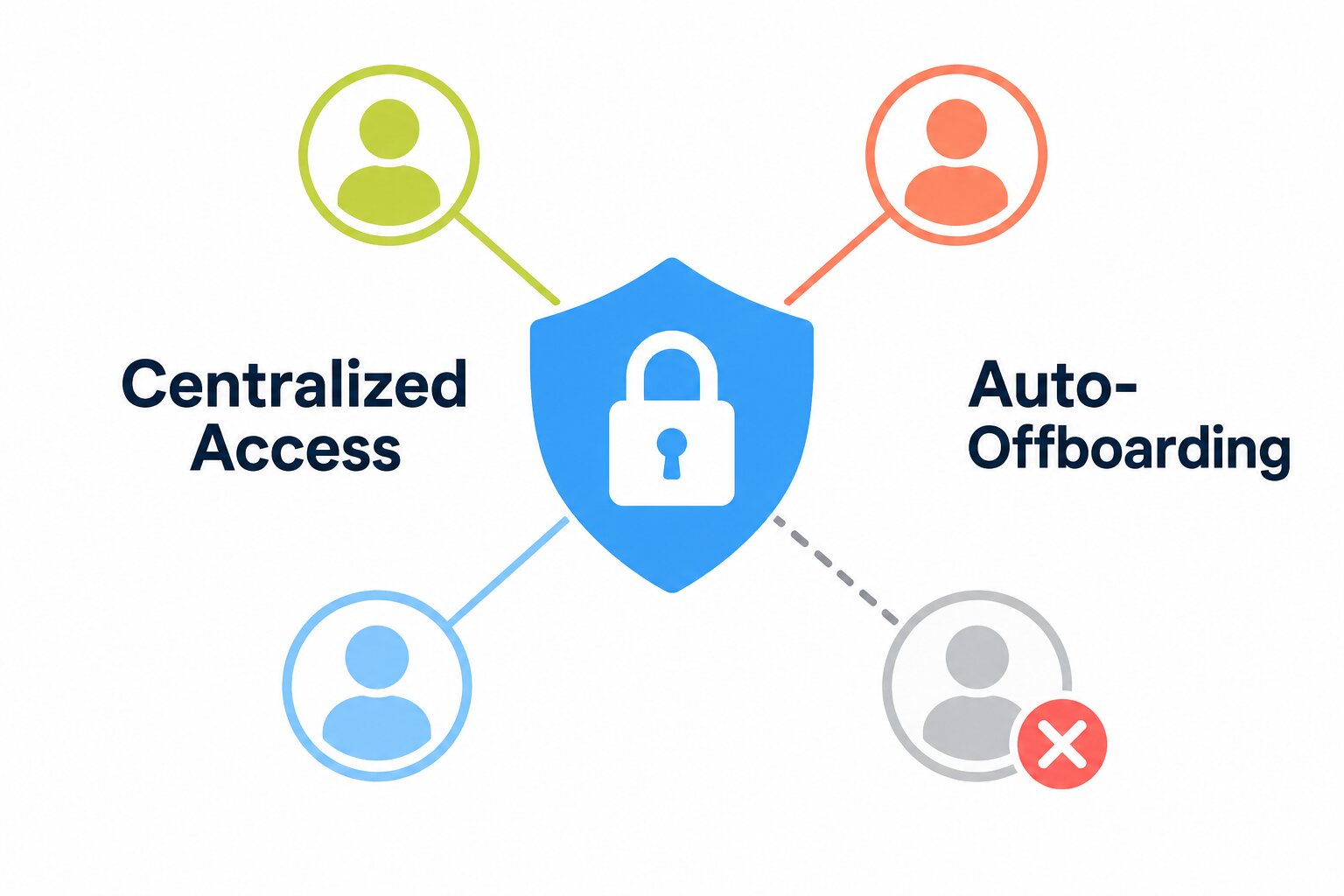
- Centralizing access helps protect customer data and reduce manual administration.
- Organizations must proactively manage high software running costs, AI data hallucinations, and implementation slowdowns caused by regional privacy compliance frameworks.
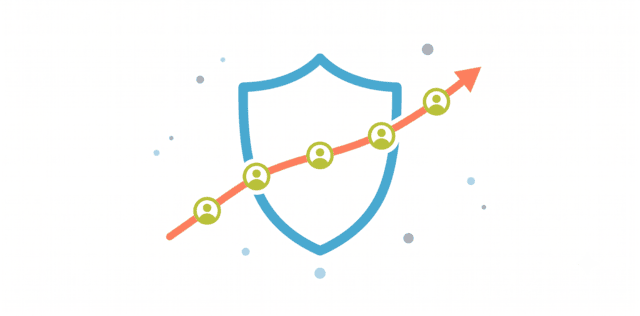
SaaS Performance Changes Before and After Automated Infrastructure Integration
Automated infrastructure changes platforms from slow, disconnected tools into fast, unified networks. Integrating real-time data streams and automated software releases helps tools discover software bugs early, reduce engineering deployment failure rates, and analyze customer care transcripts fully.
Practical Steps to Master Product-Led Growth and Reduce Churn Rate in 2026
Mastering product-led growth requires platforms to adopt continuous integration tools, real-time data clouds, and flexible user experiences. SaaS platforms achieve this by deploying automated feature flags (toggles to turn software capabilities on or off without changing code), machine learning (software algorithms trained to recognize patterns), retention monitors, and conversational search optimizations to secure accounts.
1. Buy Product-Led Growth Tools to Scale Continuous Deployment
Scaling development requires automated release networks and asset supply chain platforms to accelerate feature delivery.
- Accelerate Software Updates via Feature Flags
Replace fixed update schedules with feature flags and trunk-based development (continuously merging small code changes into one shared central branch) to align releases with live product-usage data.
- Centralize Content and Automation Pipelines
Deploy unified content platforms and independent asset libraries to break down team communication barriers, organize digital assets, and automate intent-based asset delivery.
Case Study: Hireology
Hireology experienced frequent rollbacks and lengthy software-release cycles. The company implemented LaunchDarkly feature flags and adopted trunk-based development, consolidating multiple testing environments into a single shared workflow.
Deployment frequency increased from twice per month to on demand, lead time dropped from 14 days to three hours, recovery time fell below one hour, and the change-failure rate decreased from 75% to 8%.
Expert Insight
Common Missteps: Management frequently fails by relying on open-source or homegrown feature flag systems that lack enterprise scaling capabilities.
Another common mistake is building long-lived branch codes across separate testing tracks, which causes deployment chaos, infrastructure sprawl, and high hosting expenses.
How to avoid it: Choose a feature-management platform with role-based approvals, audit logs, usage limits, and flag-retirement controls. Adopt short-lived branches or trunk-based development with a shared testing environment to reduce merge conflicts and infrastructure sprawl.
2. Purchase AI Customer Retention Platforms to Minimize Churn
Minimizing churn requires data cloud consolidation and automated machine learning analysis to track real-time user behavior.
- Consolidate User Activity Data
Gather disconnected operational and financial data streams into a single centralized cloud platform, using continuous data-loading tools to identify account engagement drops immediately.
- Automate Support Triage and Anomaly Tracking
Review high-volume customer conversation transcripts through automated processing software and machine learning models to identify recurring system faults and push instant retention offers to support agents.
Case Study: IONOS
IONOS needed to eliminate customer-data silos and respond to churn signals more quickly. The company consolidated more than 150 data sources in Snowflake and used Snowpipe Streaming (a service that continuously loads new data with minimal delay) to monitor customer activity in near real time. It also processed more than 15,000 customer-call transcripts each day, expanding automated analysis from roughly 1% of conversations to 100%.
These insights helped service teams intervene earlier and retain around 30% of customers who called to cancel.
Expert Insight
Common Missteps: Relying on slow data pipelines that update only once a day creates severe information delays. Manual transcript audits capture only a small fraction of customer interactions, leaving account non-usage trends completely unaddressed.
How to avoid it: Set clear data-freshness targets for churn-critical events, stream high-priority product signals continuously, and automate transcript classification. Use regular human quality checks to confirm that model-generated churn alerts remain accurate.
3. Compare Headless CMS Solutions for High-Converting Customer Journeys
High-converting customer journeys depend on flexible content management, integrated behavioral analytics, and continuous web experimentation.
- Remove Layout Friction via Headless Content Architecture
Use a flexible CMS that allows teams to manage reusable content, booking information, and customer data across connected experiences without relying on developers for routine updates.
- Diagnose Funnel Bottlenecks with Behavior Analysis Tools
Combine page tracking maps and targeted customer polls to isolate user friction spots, supporting continuous experimentation models.
- Maintain Technical Responsiveness and Site Stability
Optimize essential layout metrics—including page load speeds, response delays during user interaction, and unexpected shifts in visual content—to comply with modern search engine standards.
Case Study: Elite Hotels
Elite Hotels could not fully track its customer journey because reservations were processed through a fragmented external booking system. The company rebuilt its digital ecosystem on Optimizely CMS and added segmentation and web-experimentation tools.
The unified experience increased conversion rates by 25%, improved SEO visibility by 43%, and reduced content-publishing time from days to hours.
Expert Insight
Common Missteps: Handling transactions through external booking platforms creates an operational blind spot where teams cannot track drop-off paths.
Relying strictly on raw numerical traffic data provides metrics without context, masking the psychological barriers inside the user journey.
How to avoid it: Track the complete booking or checkout journey through first-party or server-side analytics wherever possible. Combine numerical funnel data with session recordings, customer polls, and usability feedback to understand why users leave.
4. Deploy Digital Performance Ad Infrastructure to Source High-Intent Leads
Sourcing high-intent leads requires automated data enrichment, signal-based prospecting, controlled paid-media systems, and consistent qualification standards.
- Automate Lead Verification and Signal Tracking
Sync automated account enrichment software directly with customer tracking platforms to recognize corporate hiring changes and identify high-propensity prospects without manual research.
- Manage Advertising Efficiency with Inbound Controls
Use conversion-adjusted bidding structures (rules that change advertising bids according to verified conversion value rather than click volume alone) and programmatic ad guardrails (automated limits on audiences, placements, bids, and spending) to reduce wasted advertising expenditure.
- Filter Sales Pipelines using Standardized Criteria
Run outreach sequences using structured qualification frameworks to prioritize buyers showing clear product fit.
Case Study: Oyster
Oyster’s intent-based outbound program was manual and distributed across several disconnected tools. The team used Clay to enrich and segment accounts, automate signal-based outreach, and synchronize updated records with its CRM.
The implementation saved approximately 40 hours per sales representative each month, generated more than $34,000 in pipeline from previously untapped accounts within one month, and increased the number of accounts reached fourfold.
Expert Insight
Common Missteps: Pushing ad budgets into broad segments without historical conversion data forces algorithms to bid on low-intent spaces. Artificially increasing cost-per-click bids to chase immediate volume accelerates ad waste without generating actual sales.
How to avoid it: Begin with narrow audiences, controlled budgets, and qualified conversion events rather than optimizing for clicks alone. Run holdout or incrementality tests before increasing bids or expanding targeting.
5. Purchase Enterprise AI SEO Solutions to Capitalize on Evolving Search Intent
Capitalizing on evolving search intent requires scalable content-production workflows, continuous content optimization, and structured page templates that help search engines understand and surface relevant information.
- Scale Search Visibility with AI-Assisted Content Workflows
Use AI-assisted research and optimization tools such as generative engine optimization (structuring content so AI-generated search answers can understand and cite it) to identify relevant search topics, create repeatable page templates, and improve content efficiently. Keep human writers and editors involved to verify accuracy, add original expertise, and maintain a consistent brand voice.
- Maintain Rankings Through Continuous Content Updates
Regularly review established articles, landing pages, and programmatic pages for outdated information. Add current examples, useful FAQs, and more complete answers to keep pages relevant to users and competitive in organic search results.
- Structure Content for Evolving Search Experiences
Organize product information, supporting evidence, and answers to common questions in clear semantic formats. This makes the content easier for traditional search engines and AI-powered discovery tools to interpret.
Case Study: Huntr
Huntr needed to compete organically against larger job-technology companies with a small marketing team. The company used Surfer to optimize content production, refresh existing pages, and create templated content covering hundreds of job titles.
By combining AI-assisted workflows with human editorial review, Huntr more than doubled its content output and reduced SEO content costs by more than four times. Within 12 months, organic blog sessions grew from approximately 4,000 to more than 220,000, representing roughly 5,000% growth.
Expert Insight
Common Missteps: Publishing large volumes of AI-generated content without human review can introduce factual errors, repetitive language, and pages that offer little original value. Creating thousands of templated pages without meaningful differentiation can also result in thin or overlapping content.
How to avoid it: Require human review for accuracy, readability, and brand alignment. Give every templated page distinct examples, audience-specific information, and useful product context, and regularly refresh successful pages rather than focusing exclusively on new content.
6. Review Identity Access Stacks to Secure Multi-Platform Operations
Securing multi-platform operations requires centralized access controls and automated identity management stacks to protect database assets.
- Centralize Enterprise Access and Security Lifecycle Controls
Scale secure single sign-on architecture to automate database access changes during internal role transitions, removing manual configuration tasks and securing infrastructure access.
- Safeguard Subscriber Databases with Risk-Aware Access Controls
Integrate adaptive multi-factor verification tools to protect customer databases and loyalty accounts, applying extra security checkpoints only when risk signals emerge.
Case Study: Wyndham Hotels & Resorts
Wyndham Hotels & Resorts replaced fragmented on-premise identity tools with Okta Workforce Identity. The company placed around 160 applications behind single sign-on, centralized access logs, and automated employee onboarding and offboarding through lifecycle-management workflows.
It later expanded Auth0 to its 100 million loyalty members and reported an 85% reduction in ongoing development-labor costs from automated identity workflows.
Expert Insight
Common Missteps: Utilizing on-premise access management tools creates security blind spots by hiding active login paths. Managing user onboarding manually increases vulnerability parameters when access rights fail to terminate immediately during employee turnover.
How to avoid it: Centralize application access through SSO, automate onboarding and offboarding, and apply least-privilege permissions. Review access regularly and terminate credentials immediately when an employee leaves or changes roles.
Platform Comparison: SaaS Growth and Churn Software Infrastructure
The following reference table outlines specific software platforms and components utilized across validated enterprise case studies to execute product-led growth and retention strategies.
Strategic Risks and Technical Barriers of Automated Stacks
Operating automated software stacks exposes organizations to system errors, technical processing delays, and regional regulation overhead. Platforms must manage the operational dependencies of large language model hallucinations, low search engine citation processing rates, and sudden connection blocks that threaten historical data retention.
- Incorrect answers and data alerts
Relying blindly on LLM outputs can introduce data hallucinations, causing software systems to display incorrect optimization results or generate false operational alarms.
Reduce this risk by connecting AI systems to verified data sources, requiring human review for high-impact decisions, and using automated validation checks to confirm outputs before they trigger actions.
- Low answer retrieval rates in search engines
Reports demonstrate that only a fraction of web pages pulled by smart engines actually make it into final search answers, meaning hidden layout errors can lock software platforms out of target citations.
Improve content accessibility with clear page structures, schema markup, accurate metadata, and crawlable content. Regular technical audits can help identify issues that limit visibility in AI-generated search results.
- Rising expenses for software running costs
Budget overruns are possible, as heavy computational data processing can trigger steep price spikes for running advanced models across live enterprise systems.
Control costs by using smaller models for routine tasks, limiting unnecessary AI requests, optimizing data-processing workflows, and monitoring usage to identify inefficient workloads before costs escalate.
- Regional compliance and data residency slowdowns
Cross-border privacy regulations can slow data-cloud migration projects because organizations must track where customer data is collected, stored, processed, and shared. Laws such as GDPR and CCPA also require businesses to limit unnecessary data use and protect customer information.
To avoid delays, privacy controls should be built into the system before migration begins. Businesses can protect sensitive data by masking personal information, organizing datasets by region and sensitivity level, and using region-specific data storage or processing when required by regulations or business agreements.
Final Thoughts
To optimize SaaS platforms and drive product-led growth, organizations can implement these actionable next steps:
- Gather disconnected operational and financial data streams into a unified cloud platform using continuous data-loading tools to track live engagement drops.
- Replace fixed update schedules with trunk-based development and automated feature flags to align engineering velocity with live usage data.
- Transition to a headless content architecture to decouple backend data from frontend design, reducing layout friction and improving conversion rates.
- Scale secure single sign-on architecture and adaptive multi-factor verification to automate database access and safeguard subscriber data.
- Introduce programmatic ad guardrails and prepare for regional data residency constraints before deploying automated models.
Frequently Asked Questions (FAQs)
How does automated infrastructure reduce SaaS churn?
It connects scattered database systems into a single data cloud, allowing service teams to monitor real-time user behavior and resolve customer issues before cancellations happen.
What are feature flags and why should companies use them?
Feature flags are toggles that turn software capabilities on or off without changing code, which speeds up updates and safely reduces deployment lead times.
What operational risks do automated software stacks introduce?
Automated stacks can cause incorrect AI data alerts, run up high computational costs, and face implementation delays due to strict regional privacy laws like GDPR.
Related Content
Read These Next

B2C Marketing Automation: 7 Retail Workflows That Drive Immediate Impulse Sales