.png)
Personalization in Marketing Automation: The Ultimate Playbook for Engagement
.png)

.png)

What is personalization in marketing automation?
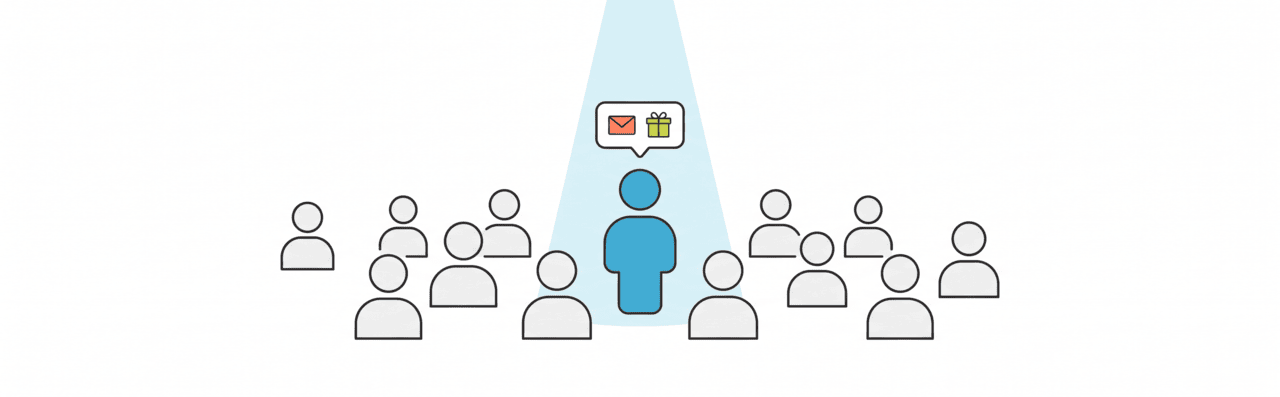
Personalization in marketing automation means every customer receives messages, product suggestions, and offers based on what they have actually done — not just which broad group they belong to. It uses real-time behavioral data, purchase history, and preferences customers have shared directly to tailor what each person sees, without someone manually managing each interaction.
Key Takeaways
- Personalization is not the same as segmentation. Segmentation groups contacts by shared attributes. Personalization responds to individual behavior and intent signals in real time.
- The data layer determines the ceiling of personalization quality. Fragmented data produces irrelevant messages at scale.
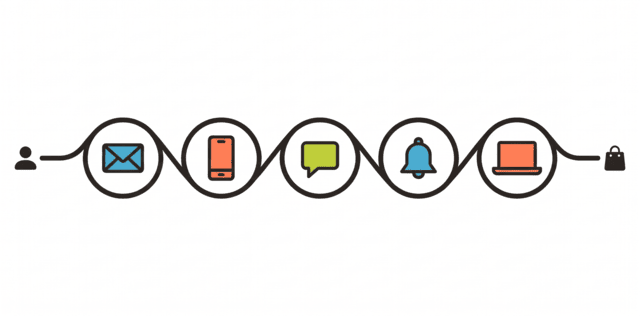
- Personalization operates as a system. Email, product recommendations, on-site experience, and retargeting all feed the same customer profile and should reinforce each other.
- Privacy restrictions have reduced observable data. First-party data strategy is now the primary determinant of personalization capability. Key frameworks include:
- GDPR (Europe) — consent, data retention, and subject rights
- CCPA/CPRA (California) — opt-out rights and data transparency
- Privacy Act 1988 (Australia) — collection, use, and storage of personal information
- PDPA and equivalent frameworks across APAC — vary by jurisdiction
- The most common failure mode is over-automation without editorial calibration, producing messages that feel automated rather than relevant.
How Personalization Has Evolved in Marketing Automation
Marketing automation began as a tool for sending the right message to the right segment at the right time. The definition of "right" has changed substantially as data infrastructure, AI capability, and customer expectations have advanced.
Early personalization was limited to first-name insertion and routing contacts into one of two or three segments:
- Download a guide? Enter nurture sequence A
- Visit the pricing page? Enter sequence B
The current landscape is structurally different. AI-driven platforms like HubSpot, Salesforce Marketing Cloud, and Klaviyo analyze thousands of behavioral signals per contact, update scores in real time, and predict which product or message each individual is most likely to respond to. The system constructs the optimal next interaction for each individual based on their complete behavioral history.
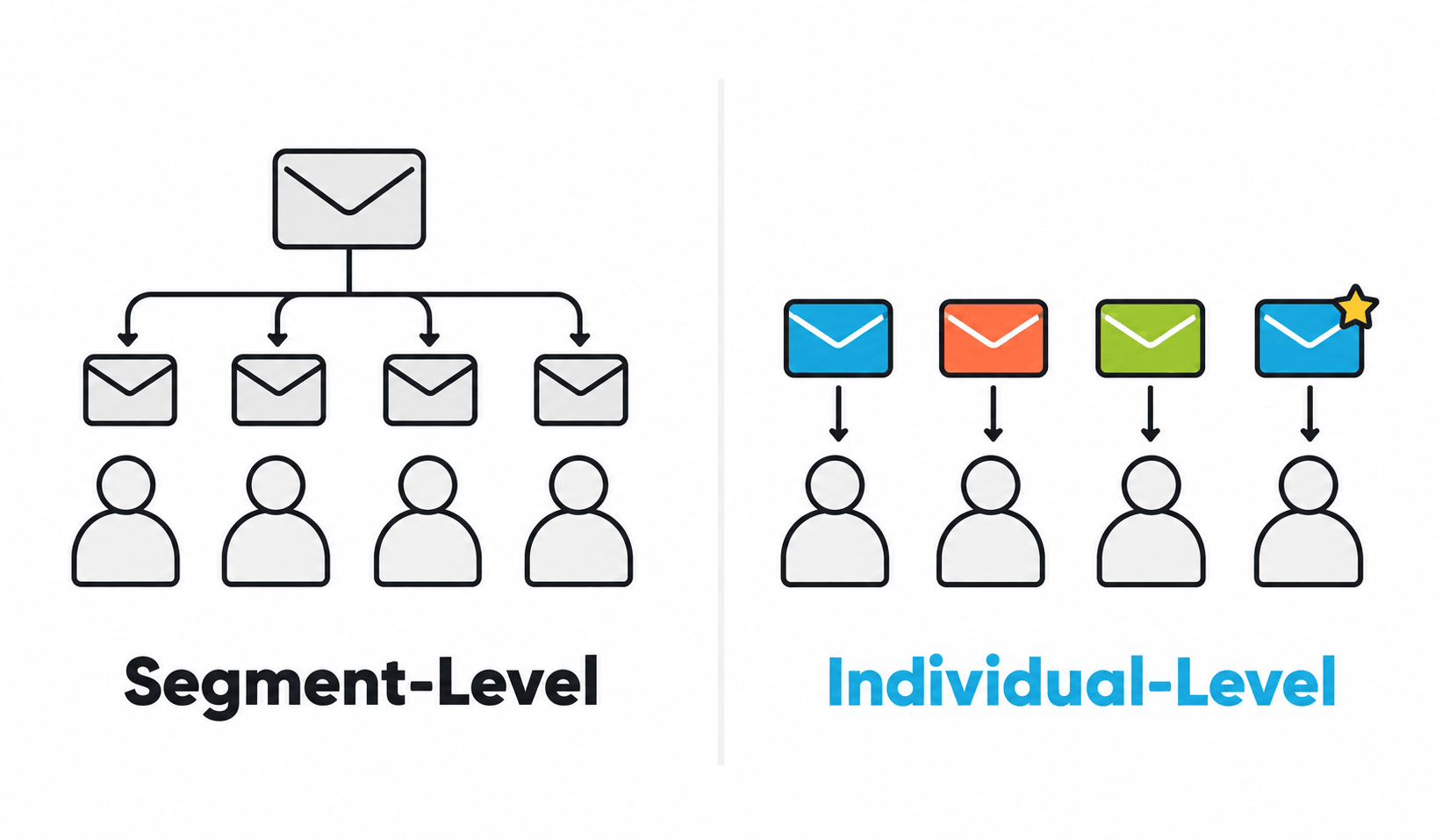
Collaborative filtering groups contacts by behavioral similarity to predict what they might like based on what similar people engaged with. Intent scoring assigns a likelihood value to future actions — such as purchase or churn — based on real-time behavioral signals.
What Are the Core Data Types That Drive Personalization?
Personalization quality depends on the quality and completeness of the data feeding the automation system — but also on creative messaging, offer alignment, and managing audience fatigue. Four data types combine to create the individual-level picture that makes relevant automation possible.
Zero-party data is information a contact has explicitly shared: product preferences, communication frequency preferences, or size and category interests. It is the highest-quality data for personalization because it reflects stated intent rather than inferred behavior.
Collecting zero-party data without annoying users requires low-friction mechanisms:
- Preference centers in email footers or account settings
- Short post-purchase surveys (one to two questions maximum)
- Onboarding quizzes on platforms like Typeform or Octane AI
- Progressive profiling that asks one question per interaction over time
First-party behavioral data is generated by the contact's interactions with owned properties: website visits, page views, session duration, email opens and clicks, app activity, and purchase history. It is the most reliable signal for predicting future intent. As third-party tracking declines, businesses are increasingly using server-side tracking — where data is sent directly from the company's own servers rather than through the user's browser — using protocols like Server-Side GTM or Meta's Conversions API (CAPI). This approach is more reliable and less affected by browser privacy settings.
Transactional data includes purchase history, order value, category preferences, return behavior, and subscription status. For retail and e-commerce, this is the most commercially relevant input.
Predictive data is generated by the automation system using machine learning models. Predictive lead scores, churn propensity scores, next-best-product recommendations, and lifetime value estimates all improve personalization without requiring additional data collection from the contact.
A Customer Data Platform (CDP) — such as Segment CDP — unifies all four data types into a single customer profile that every channel reads from and writes to.
How Does Personalization Work as a System Across Channels?
Personalization produces its strongest results when it operates as a unified system across channels rather than as isolated logic within each channel.
A contact's behavior in one channel should update their profile and change what they receive everywhere else. Here is how a connected system works in practice:
- A contact visits a product category page three times in one week
- That signal updates their profile in the CDP
- The email platform reads the updated profile and sends a personalized email with a specific product recommendation
- If they click through but do not purchase, the retargeting platform serves a paid ad for the same product in their social feed
- If they purchase, the transaction updates the profile, suppresses the retargeting audience, and triggers a post-purchase sequence
The failure mode is when channels operate independently:
- An email platform without the purchase event keeps sending cart abandonment messages to someone who already bought
- A retargeting platform without the suppression signal keeps serving ads for a product the contact now owns
Both scenarios damage the customer relationship and waste budget — not because of bad personalization logic, but because data is not flowing between systems.
What Are the 6 Levels of Personalization Maturity?
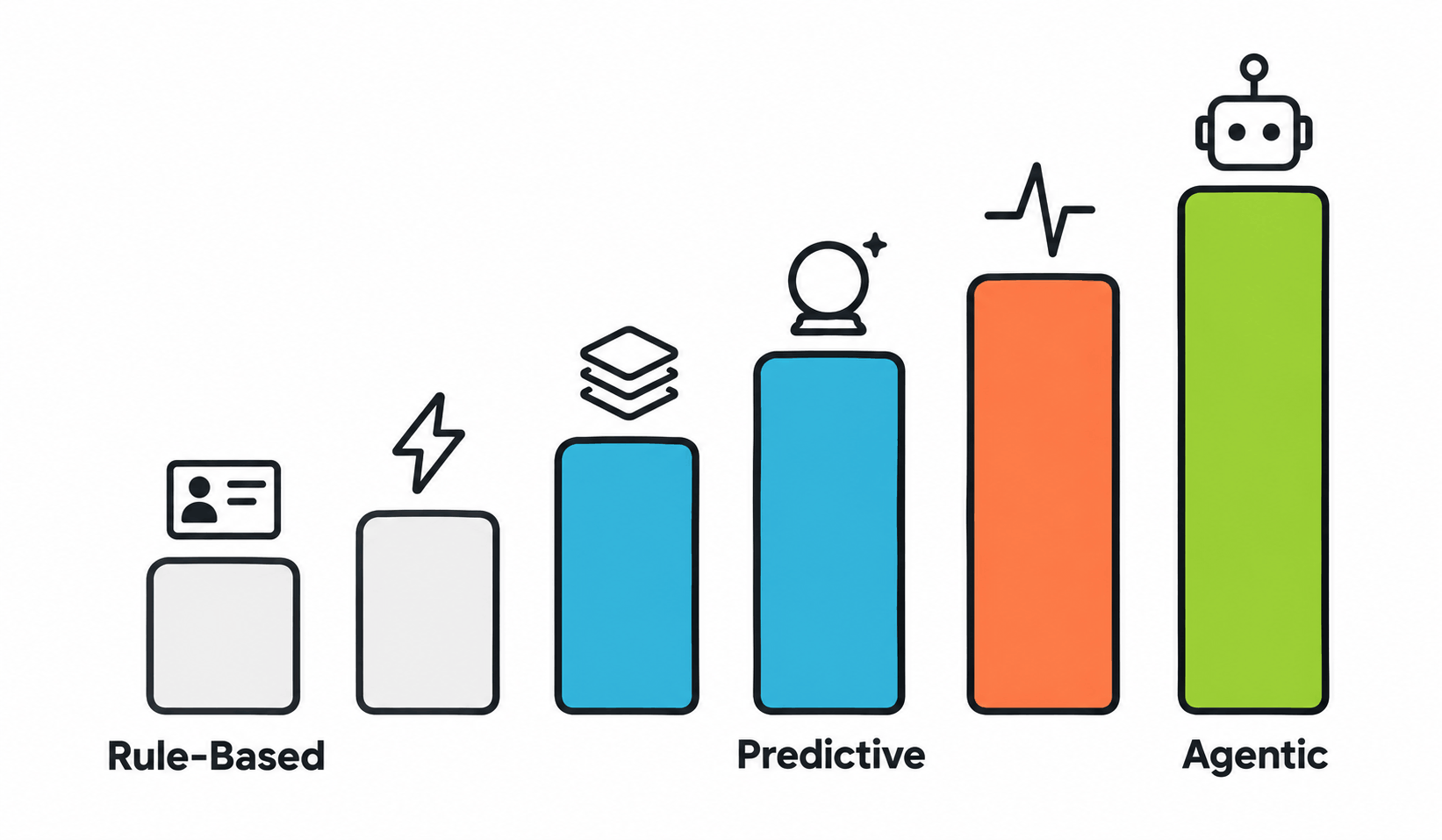
Personalization exists on a maturity spectrum. Understanding where a current system sits determines which investments will produce the highest return at the next stage.
Level 1: Name and segment personalization. First-name insertion and routing into two to three broad segments. The entry point most platforms offer by default. Marginal engagement improvement but not meaningful personalization.
Level 2: Behavioral trigger automation. Messages triggered by specific actions: welcome emails, cart abandonment sequences, post-purchase sequences. Content is still generic but timing is behaviorally informed. Requires basic event tracking and CRM integration.
Level 3: Dynamic content personalization. Email and on-site content that assembles differently for each contact. A single template pulls different products, headlines, and offers based on category preferences and purchase history. Requires a content management layer connected to the customer profile.
Level 4: Predictive personalization. Recommendations and messages driven by machine learning models. Product recommendations, next-best offers, and churn risk identification operate at this level.
Level 5: Real-time personalization. On-site experience, push notifications, and ad creative that update in real time based on current session behavior.
Level 6: Agentic personalization. AI agents that autonomously construct individualized experiences across channels without pre-built templates or rules.
Most SMB and mid-market organizations operate between Levels 2 and 4. Moving from Level 2 to Level 3 requires a dynamic content infrastructure and a unified customer profile. Moving from Level 3 to Level 4 requires sufficient contact volume and transaction history to train predictive models reliably.
What Are Realistic Performance Benchmarks for Personalized Automation?
Personalization consistently improves performance metrics across channels. The ranges below are directional benchmarks drawn from industry reports, including Klaviyo's State of Email benchmarks and Salesforce's State of Marketing report — not universal guarantees. Actual results vary by baseline conditions, data quality, and implementation depth.
A fully personalized system produces a structural performance advantage that compounds over time as the models improve with more data.
When Should You Scale Personalization Investment?
Scale personalization investment when the data infrastructure is stable and current personalization is producing measurable incremental performance above a generic baseline.
Adding personalization capability on top of fragmented data — or before behavioral tracking is functioning correctly — produces irrelevant messages at scale, not relevant ones.
The most common scaling mistake is investing in personalization technology before fixing the data layer. A sophisticated recommendation engine fed with incomplete data will produce lower-quality recommendations than a simple rule-based system fed with clean data. Technology amplifies what the data already contains.
Where Does Personalization Fail Despite a Correct Setup?
Most personalization failures trace back to data quality problems, privacy compliance gaps, or over-automation rather than to the personalization logic itself.
Data Decay
Customer profiles that are not continuously updated produce personalization based on stale signals. A contact who purchased in a category six months ago and has since shifted interests will keep receiving recommendations for the old category — unless the system is set up to weight recent behavior more heavily than older behavior.
Profile freshness is a maintenance requirement, not a one-time setup.
Consent Fragmentation Reducing Observable Data
iOS tracking restrictions, cookie deprecation, and varying consent rates across markets mean that behavioral data is systematically incomplete for a growing share of the contact base.
When personalization models are trained on data from fully trackable contacts, their recommendations may be less reliable for contacts whose behavior is only partially visible, which is an increasing share of most audiences.
Sending conversion signals directly from your own server to ad platforms — using protocols like Server-Side GTM or Meta's Conversions API (CAPI) — is the most reliable way to maintain data completeness as browser-side tracking continues to decline.
When Personalization Feels Intrusive Rather Than Helpful
Personalization that is too specific can feel uncomfortable rather than relevant. A message referencing a contact's exact browsing behavior — specific pages visited, timestamps, product names — creates the sense of being watched rather than being helped.
The practical rule: personalization should feel like good service. Messages that highlight a product category or a general interest perform better than messages that reference specific page visits by time and product name.
Attribution Complexity Masking Actual Performance
When personalized automation touches multiple channels simultaneously, each platform claims credit for the same conversion. The email platform says it drove the sale. So does the retargeting ad. And the SMS. All three may have played a role — but only one transaction occurred.
Incrementality testing — running a test where one group receives personalized messages and a similar group does not, then comparing actual revenue outcomes — is the most reliable way to measure how much personalization is genuinely contributing, rather than just correlating with purchases that would have happened anyway.
Privacy Regulation Divergence Across Markets
Organizations operating across multiple markets need jurisdiction-aware consent management. Key frameworks include:
- GDPR (Europe) — requires explicit consent, governs data retention, and subject rights
- CCPA/CPRA (California) — requires opt-out rights and data use transparency
- Privacy Act 1988 (Australia) — governs collection, use, and storage of personal information
- PDPA and equivalent frameworks across APAC vary by jurisdiction and must be assessed individually
A personalization system compliant in one market may not be compliant in another. A single global standard applied uniformly is not sufficient.
Conclusion
Personalization produces its strongest results when data, logic, and execution are connected — so each customer's behavior continuously shapes what they receive next across every channel.
The organizations generating consistent revenue lift from personalization unified their customer data first, kept profiles current as an ongoing discipline, and measured results against actual revenue rather than platform-reported figures.
Frequently Asked Questions
What is the difference between segmentation and personalization in marketing automation?
Segmentation groups contacts by shared attributes and sends the same message to everyone in the group. Personalization responds to individual behavioral signals and assembles or selects content specific to each contact.
How much data do you need to start personalizing marketing automation?
Basic behavioral personalization requires only first-party data: email engagement history, website visit data, and purchase records. Predictive personalization requires sufficient historical volume to train models reliably, typically a minimum of several thousand contacts with transaction history.
Does personalization improve email deliverability?
Yes, indirectly. Personalized messages get higher engagement and fewer unsubscribes — both positive deliverability signals. Low engagement and high unsubscribe rates damage sender reputation over time.
What is dynamic content in email personalization?
Email content that assembles differently for each recipient based on their profile, behavior, or purchase history. One template displays different products or offers for different individuals without creating separate campaigns.
How do privacy regulations affect personalization capability?
GDPR, Australia's Privacy Act 1988, CCPA/CPRA, and APAC frameworks require consent for tracking and marketing communications, and govern how long behavioral data can be retained. Systems built without consent management integrated into the data layer will face compliance gaps requiring disruptive retroactive fixes.
When does personalization become counterproductive?
When it feels intrusive rather than helpful, when it is based on stale or incorrect data, or when automation frequency creates message fatigue regardless of content relevance. Global frequency capping and periodic profile freshness audits are the operational controls that prevent these failure modes.
Related Content
Read These Next
SaaS Marketing Automation: How to Generate and Nurture Leads at Scale